
Being involved in a car accident can be a daunting experience, leaving you with physical injuries, emotional stress, and financial burdens. If you're in Victorville, CA, having a skilled car accident lawyer by your side can significantly affect the outcome of your case. Here’s a comprehensive guide to help you choose the best car accident lawyer for your needs. Understanding the Importance of a Car Accident Lawyer A car accident lawyer specializes in personal injury law, focusing on cases involving motor vehicle accidents. They are adept at navigating the legal landscape to ensure that victims receive the compensation they deserve. Whether it's negotiating with insurance companies or representing you in court, the right lawyer will advocate for your best interests. Key Factors to Consider When Choosing a Lawyer 1. Experience and Expertise Look for a lawyer with extensive experience in handling car accident cases specifically. At the Law Offices of Vondra & Hanna, our team has a proven track record in Victorville, CA, of securing favorable outcomes for clients. Experience in the local legal environment is critical as it can influence the strategy your lawyer will employ. 2. Understanding of Local Laws Your lawyer should be well-versed in California's personal injury laws, including the statute of limitations, which is typically two years from the date of the accident, as per CCP 335.1. Furthermore, if your case involves a government entity, you must file within six months, according to Government Code 911.2. 3. Reputation and Reviews Researching a lawyer’s reputation can provide insights into their competence and professionalism. Look for client testimonials, case results, and any accolades or recognitions they may have received. Positive reviews can be a good indicator of a lawyer’s reliability and effectiveness. 4. Communication and Availability A good lawyer will be communicative and available to answer your questions. At the Law Offices of Vondra & Hanna, we pride ourselves on maintaining open lines of communication with our clients, ensuring you are informed and comfortable throughout the legal process. 5. Fee Structure Most car accident lawyers work on a contingency fee basis, meaning they only get paid if you win your case. This can be beneficial as it aligns the lawyer’s interests with yours. Be sure to discuss all potential fees upfront to avoid any surprises later on. Steps to Take After a Car Accident Seek Medical Attention: Your health should be your top priority. Even if injuries seem minor, getting a medical evaluation is crucial. Document the Scene: Collect as much information as possible from the accident scene, including photos, witness contacts, and the police report. Consult a Lawyer: Reach out to a lawyer as soon as possible to discuss your case. Early legal advice can help preserve crucial evidence and set the course for your claim. Why Choose the Law Offices of Vondra & Hanna? Our firm is dedicated to representing car accident victims in Victorville, CA. We understand the local nuances and are committed to providing personalized, effective legal support. With free consultations available, we encourage you to discuss your case with us to understand your legal options. For detailed information, visit our contact page, or call us at 760-514-0344 to schedule your free consultation. Conclusion Choosing the right car accident lawyer in Victorville, CA, involves considering their experience, understanding of local laws, reputation, communication, and fee structure. By taking these factors into account, you can find a lawyer who will effectively advocate for your rights and help you secure the compensation you deserve. Reach out to the Law Offices of Vondra & Hanna today for expert legal assistance tailored to your needs.
Should I Give a Statement to Insurance Adjusters After an Accident?
You might be surprised to find a call coming in from an unknown number after an accident. A pleasant-sounding person introduces themselves as an insurance adjuster. They say they want to help get everything straightened out, and would you mind giving them a statement about what happened? Of course you want to help, but should you give one? If you've been involved in an accident in Victorville, CA, find out what to do from a personal injury lawyer. It may be necessary to give a statement to the opposing party's insurance company to get the compensation you deserve. However, giving a statement, especially a recorded statement, can be a risky business. If the adjuster is from your own insurance company, your policy may require cooperation as part of your contractual obligation. Even so, you should proceed with caution. What Do Insurance Adjusters Do? It's important to understand the role of an insurance adjuster. Their job is to investigate claims, assess liability, and determine how much the insurance company should pay. While they may seem friendly and helpful, an insurance adjuster is not a neutral party; they are ultimately looking to protect the insurer's bottom line. Any statement you give could be used to reduce or deny your claim. This is because California is a comparative negligence state. This means that your compensation can be reduced by your percentage of fault. Insurance adjusters are trained to elicit statements that may indicate partial fault, inconsistencies, or admissions that can be used to assign blame. Even innocent remarks you make, like “I didn't see them coming” or “I might have been a little tired after work,” can be twisted to imply negligence on your part. What Is the Legal Situation? California law makes it clear that you do not have to give any statement to someone else's insurers. If your policy requires you to give one to your own insurers, you still do not have to do this right away. Remember, anything you say in a recorded statement can be used against you in later proceedings, including lawsuits. In the immediate aftermath of an accident, you are likely to be suffering from the shock of what has happened. If you give a statement at this time and there are discrepancies with future testimony or other evidence, the insurer may use it to argue that you are being deceptive or are not credible. You have the right to consult with an attorney before giving any statement, and in most cases, it is wise to do so. Consult a Personal Injury Lawyer in Victorville, CA You are entirely within your rights to tell an insurance adjuster that you're not comfortable providing a statement at this time and that you will speak with your attorney first. We can then help you understand what information should and should not be shared, and protect you in any future communications. When in doubt, protect yourself first; don't forget that the insurance adjuster is not on your side. To ensure that there is someone who will advocate for you, get in touch with us at the Law Offices of Vondra and Hanna in Victorville, CA.

Can I Sue for a Car Accident Caused by Distracted Driving?
If you have been injured in a car accident caused by distracted driving, you may be able to file a lawsuit for damages. Here is some advice from a personal injury lawyer in Victorville, CA, on some of the issues to consider. What Counts as Distracted Driving? Under California law, every driver has a duty to operate a vehicle responsibly. Any activity that impedes the driver's ability to operate the vehicle safely is considered distracted driving. Distracted driving could be caused by something obvious such as texting or interacting with a navigation system. It could also be something as simple as eating or interacting with another passenger. Proving Liability Proving liability in a car accident means clearly establishing that the other driver failed to operate their vehicle in a safe manner, and then proving the link between their failure and the injuries or property damage caused. You must be able to provide clear evidence of the injuries that you or others sustained from the accident, or of physical damage to your property. Taking Comparative Negligence in Account California has a comparative negligence system, which means that the fault may be shared by more than one party. A judge may determine that while the other party was mostly responsible, your actions contributed to the accident. If you are partially responsible for the accident, you may still be able to claim damages, but the amount you can claim will be reduced by the percentage of fault you are assigned. Proving Your Case The key to the success of your lawsuit will be the evidence you provide to support your claim. Police accident reports, photographs and videos of the scene, and witness statements will be invaluable in corroborating your version of what happened. Medical documentation of your injuries will be necessary, as well as documentation of damages sustained by your vehicle or other property. It is also wise to keep detailed records of all expenses related to the accident, from medical appointments and medication to vehicle repairs and alternate transportation. Damages You May Pursue Damages typically fall into two categories: economic and non-economic damages. Economic damages cover anything that is a tangible loss, such as medical bills, vehicle repair or replacement, or lost wages due to missed work or job loss. Non-economic damages are meant to compensate for intangible losses, such as "pain and suffering" and "emotional distress," which are legal terms used to describe the psychological and emotional impact of an incident on an individual. These types of damages are more difficult to quantify, but keeping documentation of the incident and its repercussions can help a great deal. If you have been involved in a car accident caused by distracted driving, get in touch with the Law Offices of Vondra & Hanna in Victorville, CA, today for legal advice and assistance. We also serve Old Town Victorville and the High Desert.
U.S. regulators push for massive airbag recall
Airbags protect passengers during a collision or car accident. They work with seatbelts and save thousands of lives annually. However, if used or installed improperly, they can also cause injury and even death. That is why regulators issue an order for a recall when they discover defective airbags. 51 million units recalled In a report last September 2024, the National Highway Traffic Safety Administration (NHTSA) issued a recall for airbags manufactured by ARC Automotive Inc. and Delphi Automated Systems LLC. Manufacturers such as GM, Stellantis, Volkswagen and Hyundai have used some of these defective airbags. The recall was issued when NHTSA identified faulty airbags with ruptured inflators as the cause of at least nine injuries, including two deaths. This recall is reminiscent of the massive 100 million airbag recall of the now-defunct Takata Corp. Check your vehicle If you think the recall affects your vehicle, visit the NHTSA website and enter your Vehicle Identification Number (VIN). You should be able to see if your car is part of the recall order. If it is, you should receive a letter informing you of a recall. However, letters sometimes go missing, so you should check the website personally. If the recall affects your vehicle, contact your dealer to get it repaired for free. In case of an accident If you have already been in an accident and discovered you had a faulty airbag, you may be entitled to compensation. Consider talking to a legal professional who can advise you on what to do next.
3 times when the roads are more dangerous than usual
Driving at any time is risky, and people typically don’t want to give up the convenience of on-demand transportation just because a crash could someday occur. Instead, they may want to engage in harm reduction by learning more about their risks. Statistically, there are certain times when crash risk is higher than others. Drivers who are aware of statistical trends can make better choices about how and when they drive. Although some decisions, such as when professionals have to arrive at work, are not under their control, motorists do have the ability to make plans that minimize their crash risk by limiting their time on the road when conditions are most likely to result in a wreck. What do statistics show are the most dangerous times for people to drive? After the sun sets The National Safety Council (NSC) helps guide public policy and household safety by gathering and analyzing injury and fatality information. The NSC has found that the nighttime is the most dangerous time for people to be on the road. Many of the worst crashes occur after the sun sets. Teens, pedestrians and cyclists may all have more risk after dark. Factors including fatigue, visibility issues and increased risk of encountering drunk drivers all contribute to nighttime collision risk. During the afternoon rush hour The NSC also notes that the roads can be particularly dangerous between 4:00 p.m. and 7:00 p.m. on weeknights. Fatigue after a long day at work, frustration over rush hour traffic jams and even the decision to stop at happy hour on the way home can all contribute to the possibility of a crash occurring during a professional’s afternoon commute home. Holidays and the weekends closest to them Quite a few people travel by motor vehicle to attend family holiday celebrations. They may be in unfamiliar areas, distracted by their children or under the influence of alcohol. As such, the overall risk of a drunk driving crash is substantially higher around the holidays. Plenty of crashes related to distraction also occur. Those traveling on the holidays or the weekends closest to them often need to plan carefully to limit their risk of a preventable crash on their way to or from holiday celebrations. While people cannot necessarily stay off the road when crash risk is highest, they can be more attentive if they know that their crash risk is higher than usual. Ultimately, learning more about motor vehicle collision trends can be beneficial for those trying to avoid crashes or seek compensation after a collision.
Who’s liable when self-driving cars crash?
The future is zooming toward us faster than we might think. Self-driving cars, once a sci-fi fantasy, are now testing on roads across America, including right here in the High Desert. As these autonomous vehicles make their way to our community, they bring with them a host of new legal questions. Perhaps the most pressing question is: Who’s liable when these cars crash? Shifting gears in liability Traditionally, when a car accident occurs, we look to the driver. Did they run a red light? Were they distracted? But with self-driving cars, this approach hits a roadblock. There’s no human driver to point to. Instead, we must turn our attention to the vehicle itself and those who created it. This shift puts product liability law in the driver’s seat. Manufacturers, software developers and even component suppliers could find themselves under the legal microscope. It’s a change that could revolutionize how car accident cases are handled in Victorville and beyond. But it’s not just about assigning blame. This shift also raises questions about consumer rights and responsibilities. If you own a self-driving car, what are your obligations? Are you responsible for software updates? What happens if you ignore a recall? The new legal roadmap of liability Courts and lawmakers are now tasked with navigating this new terrain. Current product liability laws weren’t written with autonomous vehicles in mind. They’ll need to evolve to address issues like software glitches, sensor failures and AI decision-making errors. For instance, how do we define a “defect” in a self-driving car? Is it a problem with the physical vehicle, or could it be a flaw in its decision-making algorithms? These are complex questions that don’t have easy answers. Moreover, as these vehicles become more common on our desert roads, we’ll need to consider how they interact with human drivers. If a self-driving car and a human-driven vehicle collide, how do we determine fault? As we look to the future, it’s clear that self-driving cars will bring both exciting opportunities and complex challenges to our desert communities. While the legal landscape is still evolving, staying informed about these changes is important to better prepare yourself for the implications of this technological revolution.
What’s the real cost of desert speeding?
Desert highways can be deceptively dangerous. Their wide lanes, sparse traffic and endless horizons often tempt drivers to speed. This combination leads to severe accidents with devastating consequences for victims and their families. Such incidents aren’t random. They result from a mix of environmental factors and human behavior. Understanding these risks is crucial for anyone traveling through the desert. Recognizing the unique challenges of desert driving can help people protect themselves and others on the road. Why desert roads encourage speeding Desert highways create conditions that promote speeding due to factors such as: Long, straight stretches of road Limited police presence Fewer visual cues to gauge speed A false sense of safety due to open space These factors can make drivers feel overly confident, yet the dangers are real. In California, speeding is a leading cause of traffic fatalities. On isolated desert highways, accidents can turn critical due to delayed emergency response. California takes speeding seriously. Fines increase in “Safety Enhancement-Double Fine Zones,” which include many desert highways. The actual cost, however, becomes apparent when accidents occur. Consequences of high-speed crashes High-speed accidents often result in: Life-altering trauma such as brain and spinal damage Higher chance of fatalities Increased property damage Longer recovery times for survivors Victims often face long and challenging recoveries. California law allows them to seek compensation, but establishing fault in high-speed desert accidents can be complex. Evidence gathering presents unique challenges. The vast terrain and harsh conditions can quickly alter crucial elements like skid marks. Witnesses are often scarce and isolation can delay evidence preservation. Still, vehicle damage, witness statements and data from modern car recorders provide vital information. Preserving this evidence is essential for protecting your rights if you’re involved in an accident. Staying safe on desert highways California uses a “pure comparative negligence” rule. This rule allows partially at-fault parties to seek damages, though their percentage of fault reduces compensation. To avoid accident risks and reduced compensation: Use cruise control to maintain a legal speed. Take regular breaks to stay alert. Maintain vigilant situational awareness on the road. Ensure your vehicle is in good condition before long trips. After a desert highway accident, seek immediate medical attention. It is advisable to consult an auto accident attorney experienced with these cases. The thrill of speed isn’t worth the risk. Enjoy the desert’s beauty at a legal pace to make its highways safer for all.
Signs an insurer is victim-blaming in dog attack situations
Anyone bitten or attacked by a dog knows how traumatic the experience can be. The last thing you need after this harrowing incident is to worry about the financial support you need to recover from your injuries. While California law holds dog owners responsible for their dog’s actions, some insurance companies might try to dodge their obligations. They may dispute your claim by shifting the blame away from the dog owner and onto you in an attempt to pay less or nothing at all. Insurers aim to protect their interests, not yours If you have filed or are planning to file a personal injury claim, it is crucial to recognize victim-blaming tactics of insurance companies, such as: Downplaying your injuries: The insurance adjuster might say your injuries are not that severe or that they are not related to the dog bite. Focusing on your actions: Did you pet the dog? Did you run past it? Did you make any loud noises? Adjusters might try to use these questions to argue that you provoked the dog, even if your actions were harmless. Questioning why you were there: Even if you were on public property or had permission to be on private property, the insurance adjuster might try to argue that you should not have been there in the first place. Twisting your words: They might try to take your words out of context to make it seem like you are partially responsible for the attack. Pressuring you to accept a low settlement: Insurers often make low initial settlement offers, hoping you will accept out of desperation. These tactics can leave you feeling confused, frustrated and doubting your experience. However, you do not have to stand for any of it. Fighting for the compensation you deserve Your recovery after a dog bite incident may heavily depend on the monetary payments a personal injury claim can provide to cover your medical expenses, income disruption and other losses. It is imperative that you continue your pursuit of this legal tool, regardless of the insurer’s approach toward your injury. Working with a lawyer during this fight can help level the playing field against the insurer’s team of legal professionals. Your attorney can recognize and counter victim-blaming tactics and bring in other key authorities to strengthen your case if needed.
What should you do if your tire blows out?
A tire blowout is a scary thing that can happen to anyone at any time. It is a sudden event that can leave you shaken, injured and unsure of what to do next. Knowing how to respond can make all the difference in protecting your safety and future. This short blog outlines three steps to take if your tire blows out to help you get through the road ahead. Surviving a tire blowout: What drivers should know If a tire blows out while driving, you’ll feel your vehicle slow down and pull to one side. The key to staying safe and unharmed is to remain calm and follow the three steps below: Do not brake: To get through a tire blowout, hold the steering wheel firmly and avoid slamming on the brakes. This mistake may cause you to lose control of the vehicle, making the situation even more dangerous. Slow down: Release the gas pedal to let your car slow down before stopping. This way, you can maintain control of the vehicle and avoid further accidents. Pull over: Once you have reached a safe speed, pull over to the side of the road and activate your car’s emergency flashers to alert other drivers of your situation. If you experience a tire blowout, wait to exit your vehicle until you’re sure you’re in a safe location, away from busy traffic and other potential hazards. If it’s safe to do so, use reflective cones or triangles to alert other drivers to the situation. If you’re not comfortable changing the tire yourself or if it’s not safe to do so where you are, don’t hesitate to call for roadside assistance. Remember, keeping a calm head will help you avoid additional risks and get back on the road safely and efficiently. Staying safe on the road Following these critical steps after a tire blowout can significantly reduce your risk of further injury or harm. It’s crucial to recognize that roadway safety is a paramount concern – and being ready to respond effectively in emergencies is vital to regaining control and getting back on the road. By being proactive and taking precautions, you may minimize the fallout from a tire blowout and resume your daily routine with confidence and peace of mind. Stay safe and stay informed.
What to do and avoid after a car accident
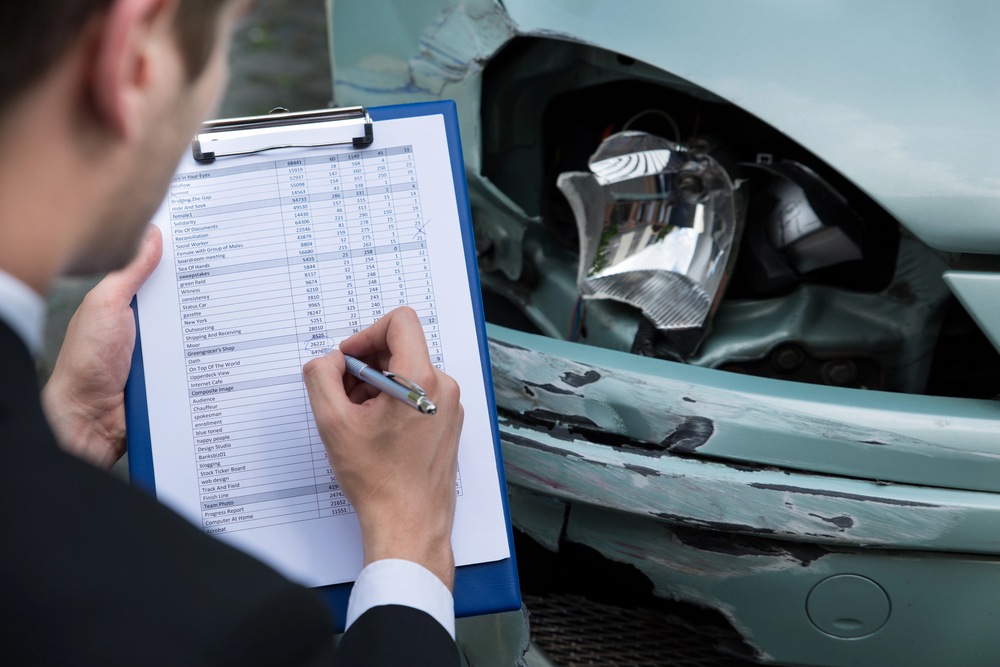
Car accidents can happen to anyone, anytime. Knowing how to react in the aftermath can significantly protect your rights and ensure a smoother claims process. Below are essential steps and pitfalls to avoid after a collision. Essential steps you may take after a car accident Immediately following a car accident, you may follow the steps below to ensure safety: Prioritize safety Your first concern should be safety. It would be best to move your vehicle to a safe location if possible and check for injuries. Call 911 immediately if anyone requires medical attention. Document the scene Use your smartphone to capture photos of the accident scene. You should also capture photos of vehicle damage. It would also be best to take photos of any visible injuries. This evidence can prove invaluable later when dealing with insurance companies or potential legal proceedings. Exchange information Collect essential details from everyone involved in the accident. Remember to include names, phone numbers, addresses and insurance policy numbers. Get medical treatment Even if you do not feel like you have an injury, it is best to get a medical assessment. Some injuries may not be apparent immediately, and a doctor’s report can be necessary documentation for your claim. Getting medical aid and ensuring safety should be everyone’s priority immediately after the accident. Actions you should avoid after an accident The following are the steps you should generally avoid following a car accident: Admitting fault It may be best to avoid apologizing or accepting blame at the accident scene. They may use your words against you later, even if you were not at fault. Neglecting to report the accident It is wise to always report the accident to the police and your insurance company, regardless of its severity. Failing to do so could complicate your claim or even void your insurance coverage. Settling too quickly It may be beneficial to consider not accepting the first settlement offer from an insurance company. These initial offers may undervalue your claim. You may want to consult an attorney to ensure you receive fair compensation. Handling the aftermath of a car accident may come with complications. It is crucial to know what to do and what to avoid doing immediately after. Your actions in the immediate aftermath of an accident can significantly impact the outcome of any potential claims or legal proceedings.
What are the safety risks of taking public transportation?
Public transportation is a convenient way to get to work, school and other locations. However, accidents can happen, and when they do, commuters need to know their legal rights. Whether you are a regular or an occasional commuter, how can you protect yourself against the dangers of public transportation? In addition, what steps should you take if you get injured? Common risks associated with public transportation While public transportation in California is cost-effective and eco-friendly, it also presents certain risks. Among the common risks are: Sudden stops or starts: These can cause passengers to fall or get thrown from their seats, which can result in injuries. Slippery surfaces: Wet or slippery floors can lead to slips and falls, especially when entering or exiting the vehicle. Inadequate maintenance: Poorly maintained vehicles can break down or malfunction, which may cause accidents. Assaults and crimes: Commuters may be victims of theft, assault or other crimes while using public transportation. In California, the law protects commuters who suffer injuries due to the negligence of public transportation operators. Public transportation providers, who owe a high duty of care to passengers, must take reasonable steps to ensure passenger safety. Steps to take after suffering a public transport injury Meanwhile, a commuter who suffers an injury while using public transportation must seek medical attention promptly. They should also report the incident to the transportation operator and gather evidence, if possible. Further, filing for a personal injury claim has a deadline. In California, the statute of limitations is a two-year period from the date of the injury. However, the deadline is typically within six months when filing a claim against government entities like public transportation providers. Protecting your rights and aiming for fair compensation Knowing the risks of public transportation and the rights of injured commuters is crucial for everyone’s safety and well-being. In case of an injury, seeking an advocate may guide you through the complex legal process and help you protect your rights as you aim to receive fair compensation.
4 steps to take if your car stalls on the highway
California has some of the busiest freeways in the nation. Stalling out amid fast and busy traffic can be unnerving, but it’s crucial to keep your cool as soon as your engine seems like giving up. Your response in these moments is critical to ensure your safety and that of your fellow drivers. Immediate steps for safety A vehicle suddenly stopping on the highway can be dangerous. If you are in this situation, remain calm and consider taking these steps: Activate hazard lights: A malfunctioning engine can make it difficult to push the brake pedal and steer the wheel. As soon as you sense trouble, turn on your emergency hazard lights to alert other drivers and prompt them to steer clear. Move your vehicle to safety: If possible, steer your vehicle towards the side of the road, particularly the right shoulder, where you will have more room away from traffic. Remain inside your vehicle: If moving the car isn’t an option, it is better to stay put. Inside your car, you’re shielded in ways you wouldn’t be on foot, as drivers do not expect to see pedestrians on the highway. Call for assistance: Without delay, contact emergency services or roadside assistance. They’re equipped to manage such incidents and can provide the necessary support. Who’s responsible if there’s an accident? Unfortunately, stalled cars can increase the risk of accidents, particularly on highways. Even with precautions, other motorists may still collide with your vehicle. If an accident occurs due to your stalled vehicle, figuring out who is responsible can be complex. In a situation involving a stopped car, there may be multiple parties to blame. You may be liable for not adequately maintaining your car, while the other driver could also be seen as negligent. Fortunately, California abides by the pure comparative negligence rule, which allows you to recover damages even if you are partly at fault. A personal injury attorney may provide valuable guidance in these situations. They can help explain your rights and assess your eligibility for compensation, offering guidance from the moment of the incident.